4.8-star Google rating
25+ years experience
1000s of recoveries
From £75
Collection & return available
Last updated: August 2026
Overview
Failed, corrupt and damaged drive recovery
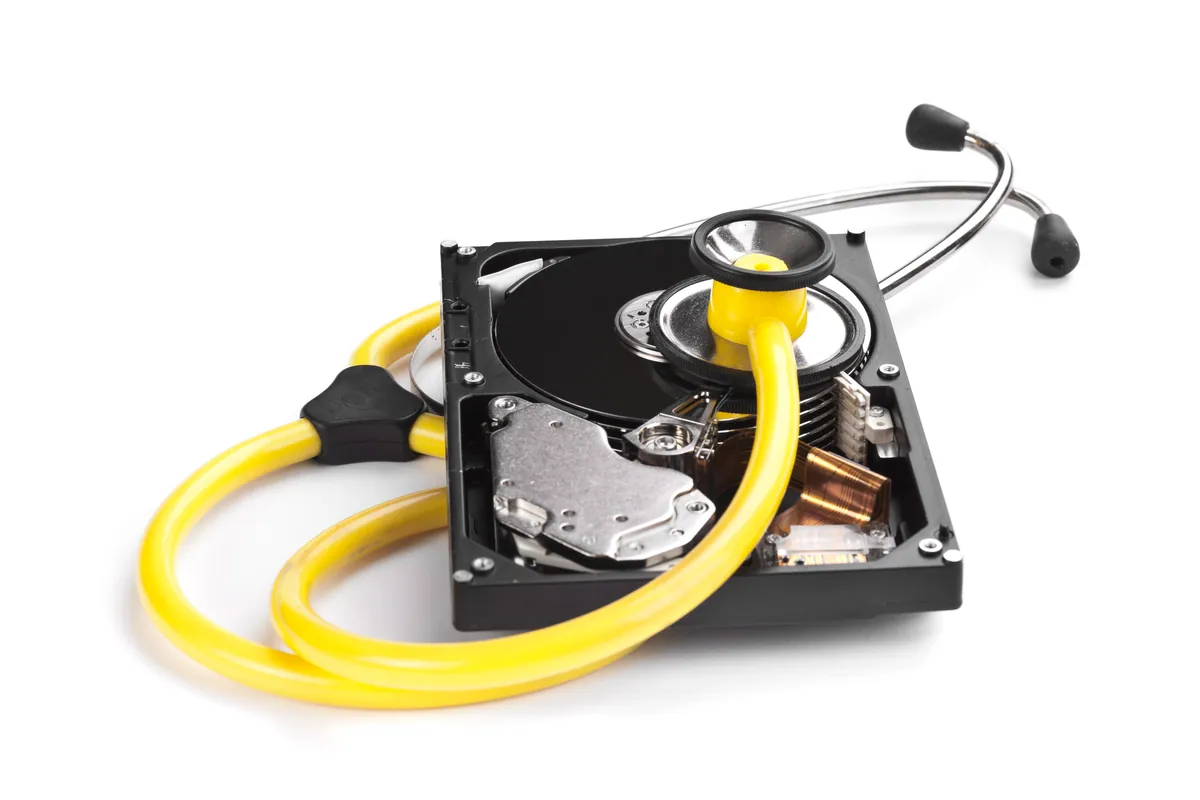
A drive that clicks, a drive Windows says is RAW and wants to format, an external disk that no longer shows up, an SSD that vanished overnight — different faults, one first step. Stop using the device. Every extra minute of power-on time can turn a recoverable fault into a permanent loss, and DIY recovery software running over a failing drive is one of the most common ways files are lost for good. We have been getting irreplaceable data back for over 25 years from our Putney workshop, with collection and return across South West London for home and business customers. We assess the device first, tell you honestly what the chances are, and only start recovery once you have approved the quote.
Corrupt and unreadable drives, RAW volumes, failed formats
Physically damaged and dropped drives (clicking, not spinning)
External hard drives and USB sticks no longer recognised
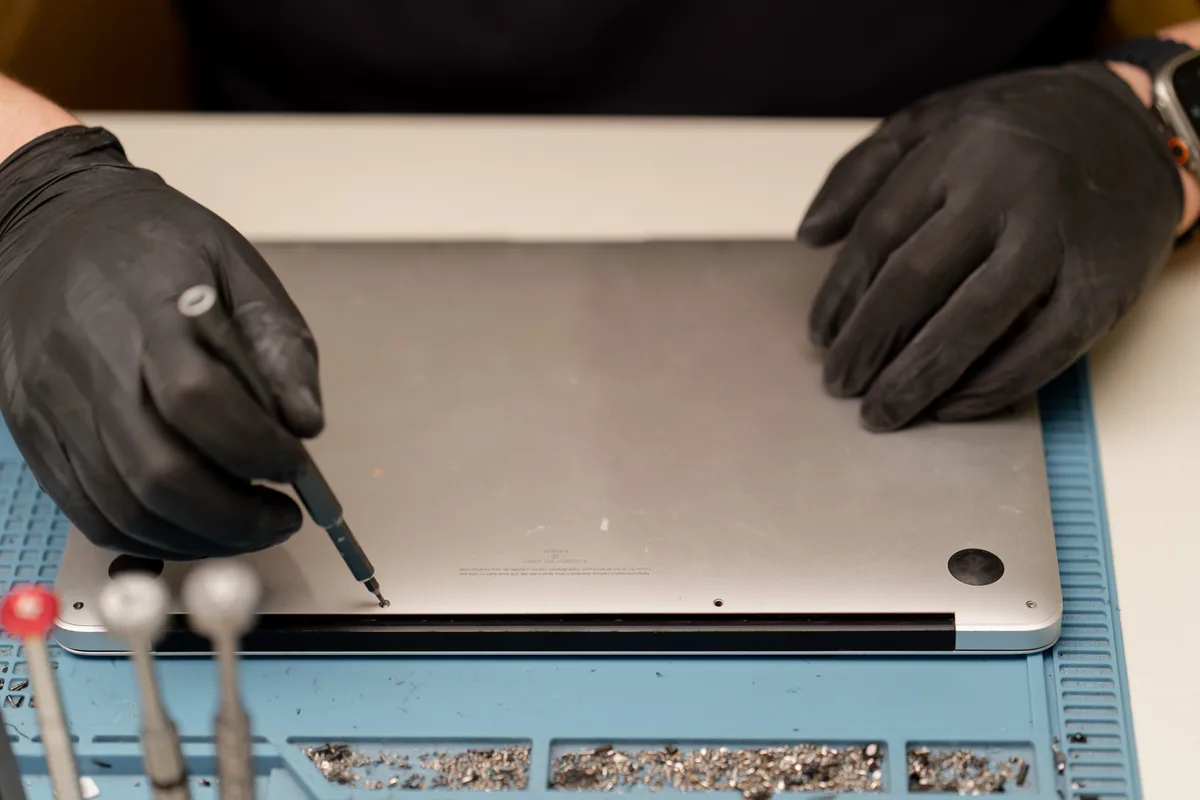
Laptops, MacBooks and Mac minis can be collected and returned across South West London, so you do not have to make the trip. Desktop towers, iMacs and printers come to our Putney workshop by drop-off.
Same-day turnaround is available on many jobs — ask when you book and we will confirm
availability and any additional cost before we start.
From our workshop records
930+ data-recovery cases handled across our repair history since 2009.
Figures from PC Macgicians workshop records, updated September 2026.
Features
What's Included in Our London Data Recovery Service
Initial Assessment
We assess your storage device and give you an honest assessment of recovery chances before any work begins.
All Storage Types
We recover data from hard drives, SSDs, USB drives, memory cards, RAID arrays, and NAS devices.
Professional Tools
We use industry-standard data recovery software and hardware to maximise recovery success.
Confidential
Your data is handled with complete confidentiality. We can sign NDAs for business-sensitive data.
Quoted Before Recovery
The assessment fee is agreed with you upfront, and the recovery itself is quoted separately once we know what has actually failed. Nothing starts until you say so.
Collection & Delivery
Drop off at our Putney workshop, or we collect and deliver across London. Recovered data returned on new media or via secure cloud transfer.
Process
How Our Data Recovery Service Works
Simple steps to get your problem solved quickly and professionally.
1
Assessment
Bring in your device or send it to us. We'll assess the damage and provide recovery options.
2
Quote & Approval
We provide a clear quote based on the complexity. You only proceed if you're happy with the price.
3
Recovery
Our technicians work to recover as much data as possible using professional tools and techniques.
4
Data Return
We transfer your recovered files to new media and ensure everything is accessible.
Testimonials
What Our Customers Say
Trusted by customers across South West London. Read what they have to say about our Data Recovery for Failed, Corrupt and Damaged Drives service.
"My external drive with 10 years of family photos stopped working. I thought everything was lost, but they recovered every single file. The best data recovery service in London — worth every penny."
A
Andrew Bennett
Putney, London
"Accidentally formatted my work laptop before a big presentation. I took it to their Putney workshop and they recovered all my files the same day. Absolute lifesavers!"
S
Sarah O'Brien
Wandsworth, London
"Our small business server failed with all our accounts data. They collected it from our office, recovered everything professionally, and helped us set up proper backups. Highly recommended."
M
Mark Thompson
Richmond, London
In Depth
What to Expect
Prefer the quick version? The sections above cover most needs. Expand any topic below for more detail.
Types of data recovery
Data recovery falls into two main categories:
Logical Recovery
For deleted files, formatted drives, corrupted file systems, and software issues. Usually successful and cost-effective.
Physical Recovery
For mechanically failed drives - clicking, not spinning, or damaged by drops/liquid. More complex and requires specialist tools.
Electronic Recovery
For drives with failed circuit boards or controller chips. May require component-level repairs.
Firmware Recovery
For drives with corrupted firmware causing access issues. Requires manufacturer-specific tools.
When to seek professional data recovery
DIY recovery software can make things worse. Bring your device to a professional if:
Your hard drive is making clicking, grinding, or beeping noises
The drive is not detected at all by your computer
You've already tried recovery software without success
The device suffered liquid damage or was dropped
You need to recover data from a physically damaged SSD
Business-critical files are at stake and you cannot afford to lose them
Your drive shows signs of firmware corruption (wrong capacity, I/O errors)
The sooner you stop using the affected device and bring it to us, the better the chances of a successful recovery.
Business data recovery in London
We work with London businesses of all sizes to recover critical data:
Server & RAID recovery
RAID 0, 1, 5, 6, and 10 array recovery from failed NAS and server configurations. We rebuild arrays and extract data from degraded or failed disks.
Urgent same-day service
Business downtime costs money. We offer priority data recovery with same-day turnaround for qualifying cases across London.
NDA and compliance
We sign NDAs for sensitive data and follow strict data handling procedures suitable for regulated industries.
Collection available
We can collect drives and servers from your London office if you can't transport them. Secure chain-of-custody throughout.
From sole traders in Putney to offices in Westminster, we help London businesses recover quickly from data loss.
Recent data recovery jobs in London
We don't just talk about recoveries — here are real jobs we've completed for London customers:
Acer Aspire with board failure — the laptop couldn't be repaired quickly, so we prioritised secure data recovery and retrieved the customer's key files.
Asus N56VM with a failed hard drive, Battersea — recovered data from an inaccessible drive, then replaced the storage and rebuilt a stable system.
MacBook Pro A1708, Putney — recovered the customer's data alongside a motherboard, SSD and trackpad replacement at our workshop.
CD data extraction to USB, Putney — imaged an ageing CD, recovered the readable files, and supplied them on modern USB storage.
Full write-ups of these jobs are linked from the FAQ below, and more are in the Support Centre.
Devices and media we recover data from
We recover data from virtually any storage device, regardless of brand or age:
Internal hard drives (2.5" and 3.5" SATA, IDE, and SCSI)
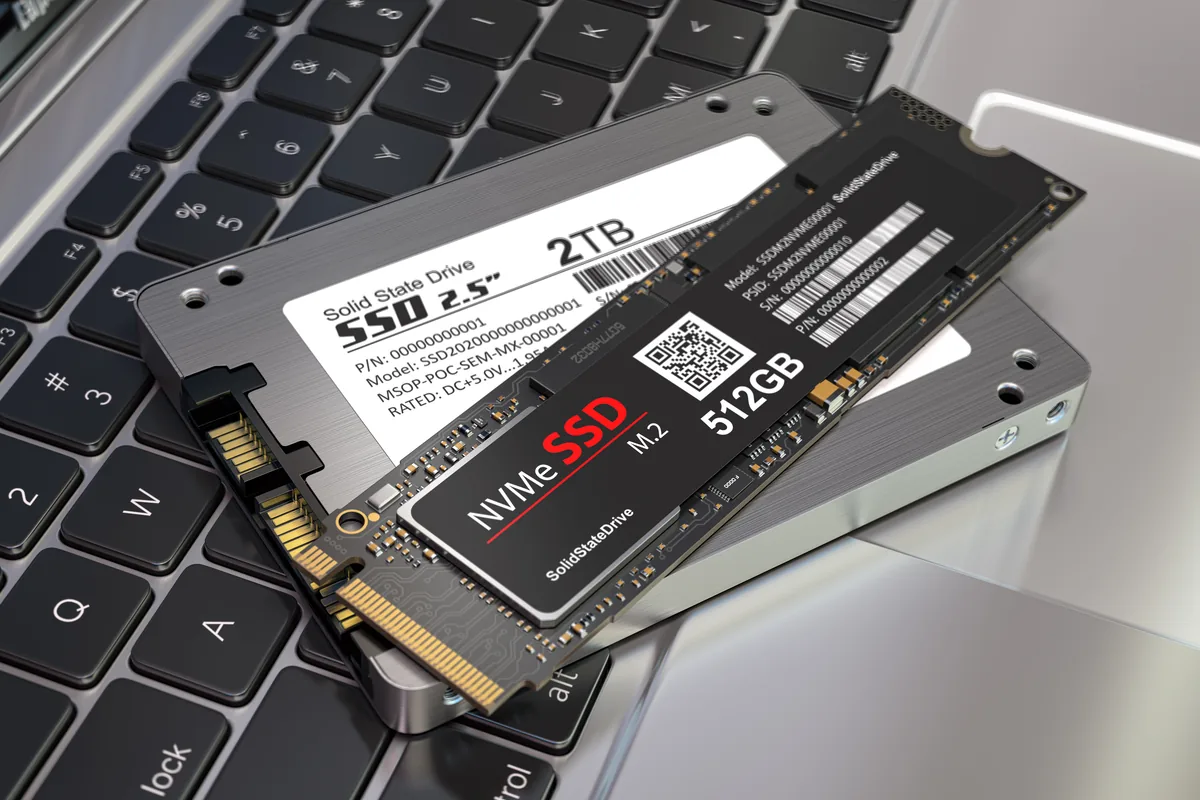
Solid state drives (SATA, NVMe, M.2, and PCIe SSDs)
External and portable hard drives (USB, Thunderbolt, FireWire)
USB flash drives and memory sticks
SD cards, microSD, CompactFlash, and camera memory cards
NAS devices (Synology, QNAP, Western Digital, etc.)
RAID arrays and server drives
Apple Mac internal storage (Fusion Drive, T2, Apple Silicon)
If it stores data, we can almost always assess it — and give you an honest answer about the recovery chances before you spend anything.
Preventing future data loss
Once your data is recovered, protect yourself from future loss:
Implement the 3-2-1 backup rule: 3 copies, 2 media types, 1 offsite
Set up automatic cloud backups for important files
Regularly test your backups to ensure they work
Monitor drive health with SMART tools
Replace aging drives proactively (5+ years for HDDs)
Use surge protectors to prevent electrical damage
We can help you set up a reliable backup system to protect your data going forward.
Logical recoveries (deleted files, formatted drives, corrupt volumes) start from £75. An assessment typically costs £60–£120 depending on the device and is confirmed upfront; physical recoveries from failed drives are then quoted individually once we know what is wrong. Complex cases requiring cleanroom work are referred to specialist partners.
Assessment fee agreed upfront · Recovery quoted before we start
FAQ
Frequently Asked Questions
My hard drive is corrupt — can the data still be recovered?
Usually, yes. A corrupt hard drive is most often a logical fault: the partition table, file system or master file table has been damaged, while the data itself is still sitting on the platters intact. That is the most recoverable category there is. The thing that ruins it is what people do next — running chkdsk, agreeing to Windows’ offer to repair the drive, or letting recovery software write to the damaged disk. All three can overwrite the very structures needed to rebuild it. Stop, and let us image the drive first so every attempt is made on a copy rather than the original.
Can you recover data from a physically damaged hard drive?
Often, depending on what has actually broken. Damaged hard drive recovery covers a wide range: a dropped external disk with a stuck or crashed head, a drive that clicks and never spins up, seized bearings, and boards killed by a power surge or liquid. Electronic and firmware faults we handle in our Putney workshop. Cases that need the platters opened in a controlled environment go to our specialist cleanroom partners rather than being attempted on a bench — we will tell you upfront which category yours falls into and what that means for the cost. What we will not do is keep powering up a clicking drive to see what happens; each spin-up on a damaged head costs you recoverable data.
My external hard drive isn't recognised any more — is the data gone?
Not necessarily, and this one is worth checking before you assume the worst. An external hard drive that is not recognised frequently has a perfectly healthy disk inside a failed enclosure — the USB bridge board or its power supply has died, not the drive. Taking the disk out and connecting it directly often brings everything straight back. Where the drive itself has failed, the enclosure at least tells us how it was formatted and encrypted, so bring the whole thing in. Do not keep unplugging and replugging it hoping it appears: if the fault is mechanical, each attempt makes it worse.
Windows says my drive is RAW and needs formatting. Should I let it?
No. A RAW drive means Windows can no longer read the file system, so it does not know what the drive is — it is not telling you the drive is blank. Formatting writes a fresh, empty file system over the top and makes a straightforward recovery considerably harder. Click cancel, unplug the drive, and bring it to us. RAW volumes are one of the more routinely recoverable faults we see, provided nothing has been written over them in the meantime.
Can you recover files I deleted and then emptied from the Recycle Bin?
On a traditional hard drive, very often yes — deleting a file marks its space as reusable rather than erasing the contents, so the data usually survives until something else is written on top of it. That is why the single most useful thing you can do is stop using the drive immediately; every download, update and saved document is a chance to overwrite what you are trying to get back. On an SSD it is a different story, because TRIM actively clears deleted blocks in the background and can make files genuinely unrecoverable within minutes. Our guide on why SSD data recovery is harder than HDD explains what is realistic.
Which areas do you cover for data recovery?
We work from our Putney workshop with collection and return across South West London, and we have local pages covering what recovery looks like in each area — including Kingston, Wimbledon, Richmond, Wandsworth, Clapham, Putney, Chelsea and Fulham. If you are further out, drives can also be posted to us — get in touch first so we can tell you how to pack it safely, because a badly packed failing drive can arrive in worse shape than it left.
What are the chances of recovering my data?
It depends on the failure. Logical issues — deleted files, formatting, corruption — are usually very recoverable if you stop using the drive quickly. Physical failures depend on the extent of the damage. And some things are genuinely gone: data that has been overwritten, and files deleted from an SSD after TRIM has cleared the cells. We’ll give you an honest assessment after checking the device, before you commit to anything.
How long does data recovery take?
Simple logical recoveries can often be completed same-day or within 24-48 hours. Physical recoveries from damaged drives may take 3-7 days. Complex cases requiring specialist intervention take longer.
Can you recover data from an SSD?
Yes, but SSD recovery is more complex than traditional hard drives due to TRIM commands and wear levelling — a deleted file on an SSD can be permanently gone in a way it wouldn’t be on a spinning drive. Success depends on the failure type. Our guide on why SSD data recovery is harder than HDD explains what’s realistic; we’ll assess your specific device and advise honestly.
Is my data kept confidential?
Absolutely. We treat all customer data with strict confidentiality. We can sign NDAs for sensitive business data. After recovery and handover, we securely erase all copies from our systems.
What should I do if my hard drive fails?
Stop using the device immediately — continued use can turn a recoverable fault into a permanent loss — and don’t run DIY recovery software on a drive that’s clicking or physically failing. Our guides on what to do first when a hard drive fails and the warning signs before a drive dies cover the safe first steps. Then bring the drive to us for professional assessment. Once your files are back, a proper backup setup stops it happening twice.
Can you recover data from a drive that was dropped?
Often yes, depending on the damage. Dropped drives may have head crashes or platter damage. We assess the damage and can attempt recovery. Severe physical damage may require cleanroom work with our specialist partners.
Can you recover a failed RAID array or NAS in London?
Yes — RAID 0, 1, 5, 6 and 10 arrays, and NAS units from Synology, QNAP, Western Digital and others. The critical advice: when an array degrades or fails, don’t force a rebuild or re-sync, and keep the disks in their original bay order — a failed rebuild is one of the most common ways recoverable data becomes unrecoverable. We image each member disk first, then reconstruct the array from the images, and we can collect failed arrays from London offices with chain-of-custody handling.
Where is your data recovery lab in London?
We’re based at 66 Lower Richmond Road, Putney, London SW15 1LL. You can drop off your drive in person, or we offer collection across London. We’re a short walk from Putney Bridge station and East Putney tube.
Do you offer same-day data recovery in London?
Yes, for logical recoveries like deleted files or formatted drives, same-day turnaround is often possible. Physical recoveries from damaged drives typically take 3-7 days. We offer a priority service for urgent business cases.
How much does data recovery cost in London?
Logical recoveries (deleted files, formatted drives) start from £75. Physical recoveries are quoted individually based on the complexity and type of damage. We’ll confirm any assessment fee upfront, then provide a firm quote before recovery work begins.
Can you recover data from a Mac or MacBook?
Yes, we recover data from all Apple devices including iMacs, MacBooks, Mac Minis, and Mac Pros. We handle Fusion Drives, T2-encrypted SSDs, and Apple Silicon Macs. Our Putney workshop has the specialist tools needed for Mac storage recovery.
Have you recovered data for London customers like me?
HP All-in-One desktop in Fulham SW6 stopped booting. We isolated the fault to a failed SSD with controller damage and referred the customer for cleanroom data recovery before fitting a replacement drive.
Customer in Putney SW15 needed files extracted from an older CD onto modern storage. We imaged the disc, recovered the readable files, and supplied them on USB for everyday use.
HP laptop in Putney SW15 was beyond repair but the data on the drive was important. We removed the drive cleanly, imaged it via a write-blocked interface, and supplied the recovered files on external storage.
MacBook Pro in Putney SW15 plus a Samsung external drive that would only mount on an older laptop. We recovered both onto a single destination drive supplied by the customer.
A Dell desktop in Wandsworth SW18 was failing with years of files and Outlook email trapped on it. We recovered around 60GB and migrated it to the owner's new machine.
MacBook Pro in Clapham SW4 with a full startup disk and irreplaceable photos. We recovered the photos to an external drive, freed space and updated macOS.
Data recovery costs from £75 for deleted or corrupt files, with an assessment of £60–£120 agreed upfront. What drives the price up, what a dead laptop costs, and when you pay nothing.
Photos gone from a dead phone or unreadable SD card? Learn what's recoverable, what lowers your odds, the dos and don'ts, and when to stop and get help.
A rhythmic clicking noise often signals a dying hard drive. Learn to tell drive clicks from fan noise, why to stop using it, and how to save your files.
Cloud, external drive, network share, direct cable or large-file transfer — the pros, cons and pitfalls of each method, from a South West London workshop.
A plain-English guide to the Cyber Essentials certification for UK SMEs: what it is, the five controls, why firms pursue it, and what getting ready involves.
Free up disk space on Windows safely — clear temp files, find the big space hogs, and know when the real fix is simply a bigger SSD. From a London workshop.
Plain-English data protection duties for a small firm, plus the practical IT steps that keep customer data safe. Not legal advice — a working checklist.
A clear guide to backing up iPhone and Android photos with cloud and local copies, automatic sync, and simple habits that stop you losing years of memories.
Clicking noises, missing files or a PC that won't boot? The wrong move can make recovery impossible. What to do, and what to avoid, when a hard drive fails.
Most hard drives give warning signs before they fail completely. Recognising the early indicators gives you time to back up your data and plan a replacement before you lose anything.
Recovery software found nothing on your SSD? Here's why SSD failures differ from hard drives, which methods give real results, and when professional recovery is your best option.
Spilled liquid on a MacBook Pro and it no longer powers on? This guide covers urgent first steps and how technicians recover important files after a spill.
Coverage
Service Areas
We provide Data Recovery for Failed, Corrupt and Damaged Drives across South West London
Don't panic, and don't keep powering it on. Contact us for an assessment at our Putney workshop, or arrange collection across South West London. We've recovered data from thousands of failed, corrupt and physically damaged drives — and we'll tell you straight if yours isn't one we can save.