Introduction
A common question we get from Bambu owners in South West London: what does it actually cost to keep one of these things running properly? The answer depends on how the printer is used, whether you DIY routine maintenance, and how you handle the eventual repairs. This post breaks down the realistic cost categories so you can plan rather than be surprised.
A Bambu Lab printer, treated well, runs for years with modest annual cost. Treated badly, it generates a steady stream of small repairs that eventually add up to more than the printer itself. The difference is mostly maintenance discipline rather than luck.
Sound like your problem?
Bring it to our Putney workshop or message us a photo and we will give you a straight answer and a quote before any work starts.
Why This Happens
The cost structure of running a 3D printer breaks into four buckets: consumables, scheduled maintenance, fault repair, and major component replacement. Each has different cost dynamics, and the cheapest of them — consumables — is also the one that, if neglected, becomes the most expensive through secondary damage.
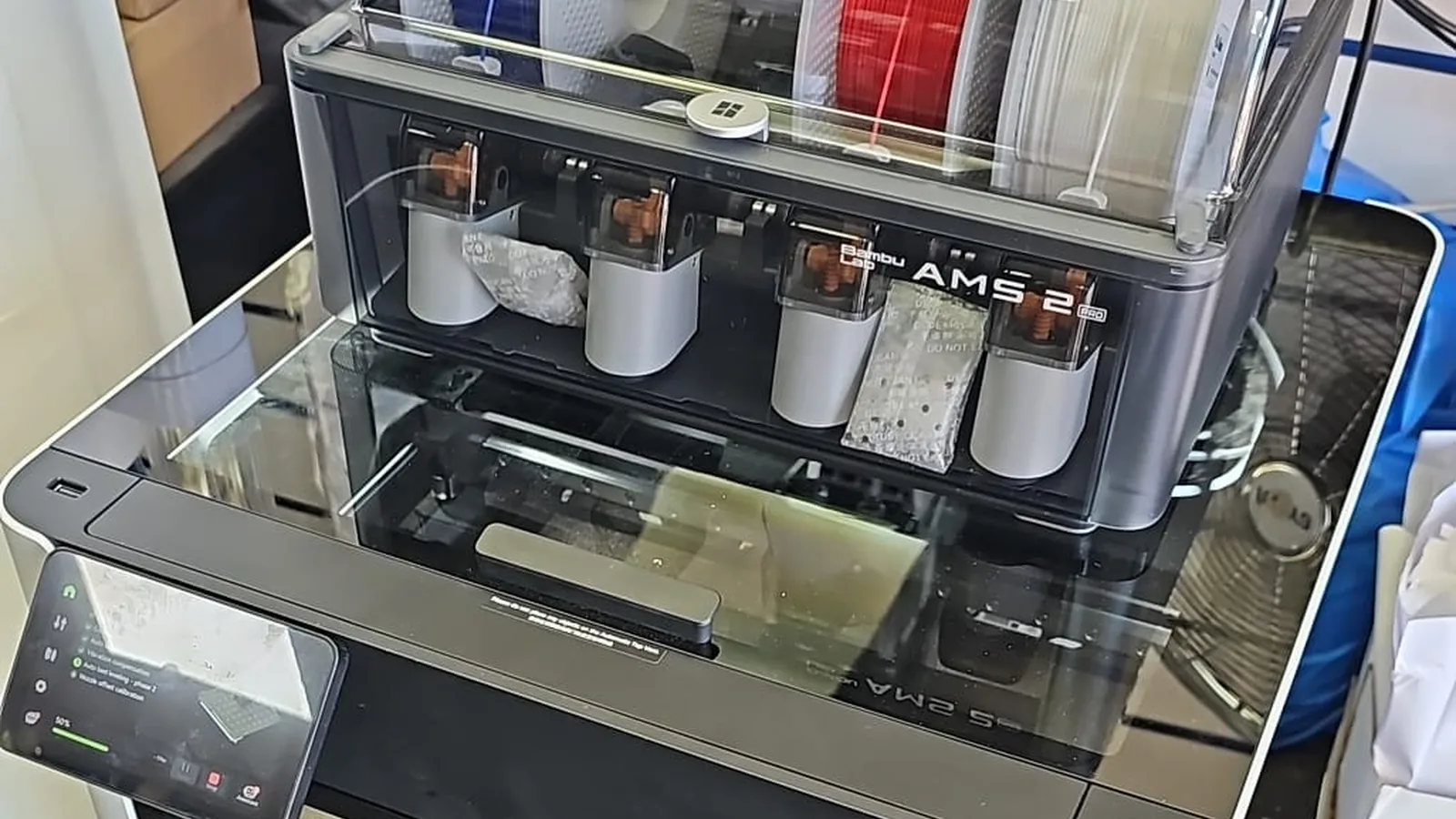
Consumables are PTFE tubing, build plates, nozzles, desiccant, and minor parts that wear with use. None are expensive individually. Skipping them is what’s expensive: worn PTFE causes broken-filament jams that damage AMS feeders, worn build plates cause first-layer failures that waste hours of print time, worn nozzles cause flow inconsistency that ruins finished prints.
Scheduled maintenance — lubrication, belt tension, fan health, calibration — is the cheap insurance category. Done annually, it costs the price of a service appointment. Skipped, it leads to faults that cost considerably more to repair.
Fault repair is the irregular spend: hotend replacement, AMS feeder rebuild, mainboard replacement. These vary widely and are largely a function of how well maintenance has been done.
Major component replacement is the rare one: a full toolhead PCB, the AMS hub board, the mainboard. Bambu’s warranty usually covers these inside the warranty period. Outside warranty, they’re significant spends but uncommon if the printer has been maintained.
Step-by-Step Fix
Cost by category — realistic figures
Annual consumables for a typical hobbyist Bambu (~5–10 hours a week):
- AMS PTFE tubing (set of replacements): around £15–25 a year
- Build plate replacement (annual): around £30–50 depending on type
- Nozzle replacement: £10–20 per nozzle, replace once or twice a year
- Desiccant refill: minimal, £5–10 a year
- Total consumables: roughly £60–100 a year self-sourced
Scheduled professional servicing (quoted per job after a quick inspection):
- Full annual service (workshop): full inspection, PTFE replacement, lubrication, fan check, firmware update, plate verification, and a verification print
- Quarterly check (briefer): professional eyes between annuals where you want them
Common Bambu repair jobs (priced individually once we’ve seen the printer):
- Hotend replacement (labour + part)
- AMS feeder rebuild
- Heatbreak fan replacement (P1S)
- Build plate / PEI sheet swap (parts cost + a little labour)
- Broken filament extraction (deep AMS)
For a quick estimate on any of these, call us on 020 7610 0500 — we’ll give you a ballpark before you bring the printer in.
Major repairs:
- Toolhead PCB / mainboard replacement: typically routed through Bambu warranty where applicable; out-of-warranty quoted on a per-case basis
When to use Bambu warranty vs independent service
Use Bambu warranty for: major hardware faults (mainboard, toolhead PCB, AMS hub board) inside the warranty period; manufacturing defects; the A1 heatbed recall (2024 units, free replacement).
Use independent service for: consumable replacements (Bambu doesn’t warranty these), out-of-warranty work, annual servicing, calibration drift, AMS rebuilds, fast-turnaround needs where shipping the printer to Bambu would take too long.
Where it’s genuinely a judgement call: hotend replacement inside the first 90 days might be a warranty case if the failure was clearly premature; later than that, independent replacement is faster and usually no more expensive.
A practical year-one budget for a new Bambu
For a typical Bambu owner who uses the printer regularly but not commercially, year-one running cost is roughly:
- Consumables you handle yourself: ~£60–100
- One professional annual service (recommended at year-end): quoted after inspection
- Total expected first-year spend beyond the printer: around £200–300 in a typical year
Year two tends to be slightly higher because more components reach replacement intervals — a heatbreak fan on the P1S becomes likely, build plate replacement becomes routine, and a hotend may need replacement at the 2000-hour mark.
Common Mistakes to Avoid
Treating PTFE and build plates as forever parts.
They’re not. Skipping replacement is what makes Bambus expensive to own.Calling for repair before trying basic diagnosis.
Most “broken AMS” calls turn out to be filament path issues solvable in 30 minutes. We’ll happily diagnose either way but you might save a service call.Buying every accessory upgrade as soon as it’s released.
Bambu’s accessory line is well-marketed; not all of it is necessary. Hardened nozzles for occasional CF prints, yes. Premium build plates if you have first-layer issues, sometimes. Aftermarket hotend assemblies when the genuine works fine, rarely.Ignoring warranty windows.
If the printer is in its first year and develops a major fault, route through Bambu warranty first. Independent repair has no advantage when Bambu would do it free.Letting small faults compound.
A worn PTFE that you ignore for two months because “the prints still work” turns into a snapped filament that damages the AMS feeder. Address small things small.
When to Call a Professional
A reasonable rule: if a repair would take you more than two hours of fumbling or risks secondary damage if done wrong, professional service is usually the better economics. Annual servicing is the highest-value professional spend — it catches things you’d never notice on your own and prevents the second-year problem cluster.
Our 3D Printer Repair & Servicing page covers what’s included. For Bambu-specific work, the Bambu Lab Repair Hub breaks down what each model needs.
We’re based in Putney and cover Battersea, Chelsea, Clapham, Fulham, Hammersmith, Wandsworth, Wimbledon and the rest of South West London. Walk-in is fastest for diagnosis; we can collect for owners who’d rather not transport a Bambu themselves.
Prevention Tips
- Buy consumables (PTFE, plates, nozzles, grease) once a year in a single order. The convenience makes scheduled replacement actually happen.
- Set quarterly calendar reminders for the 45-minute self-maintenance tasks.
- Get an annual service from someone who knows Bambus. The cost is much less than the repairs it prevents.
- Keep your printer’s serial number, purchase date, and Bambu Studio account details somewhere you can find them. Warranty claims need them.
- Photograph the printer setup before any move. Recommissioning is faster if you can compare against the original.