Two very different machines, not two versions of one
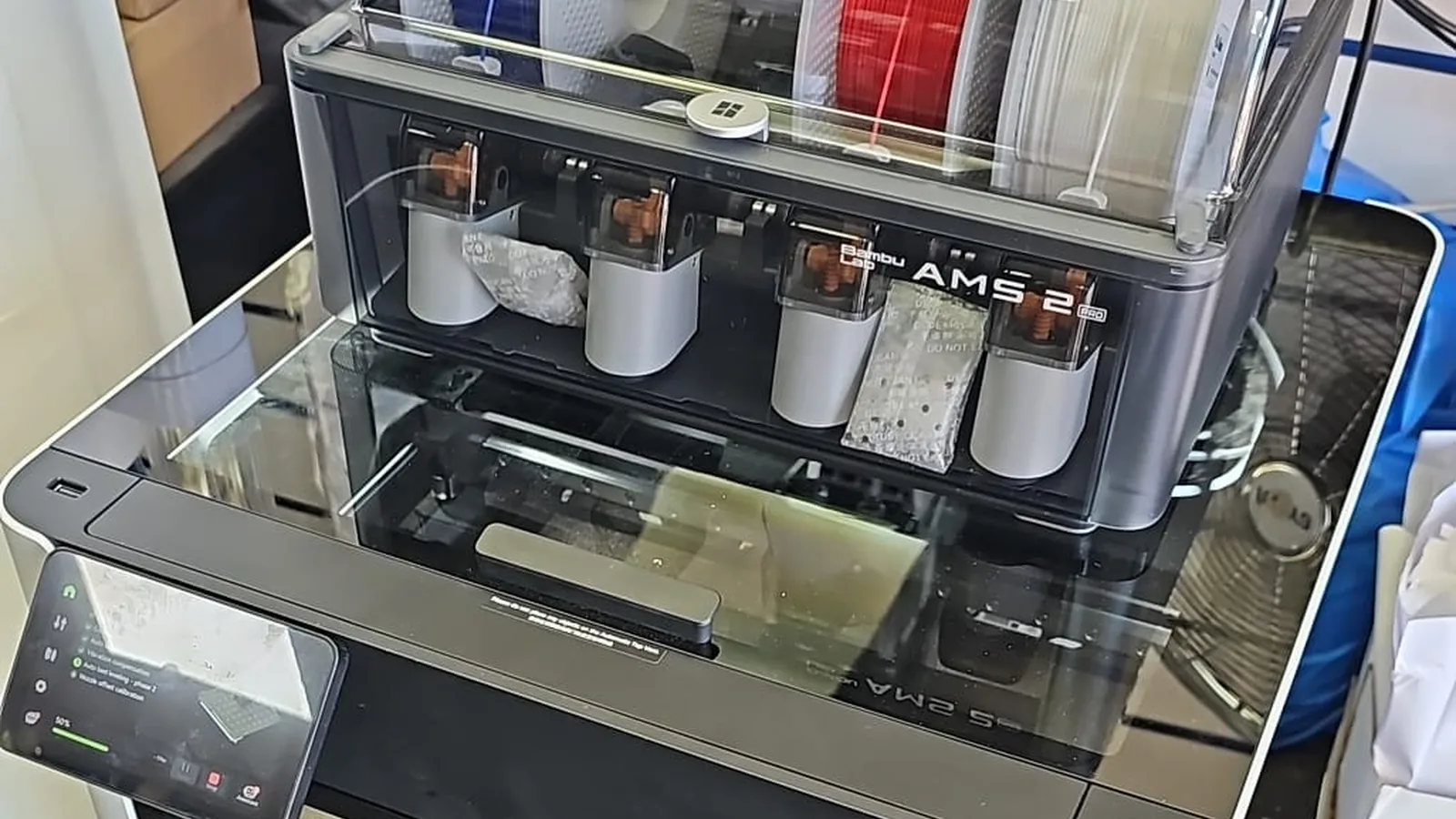
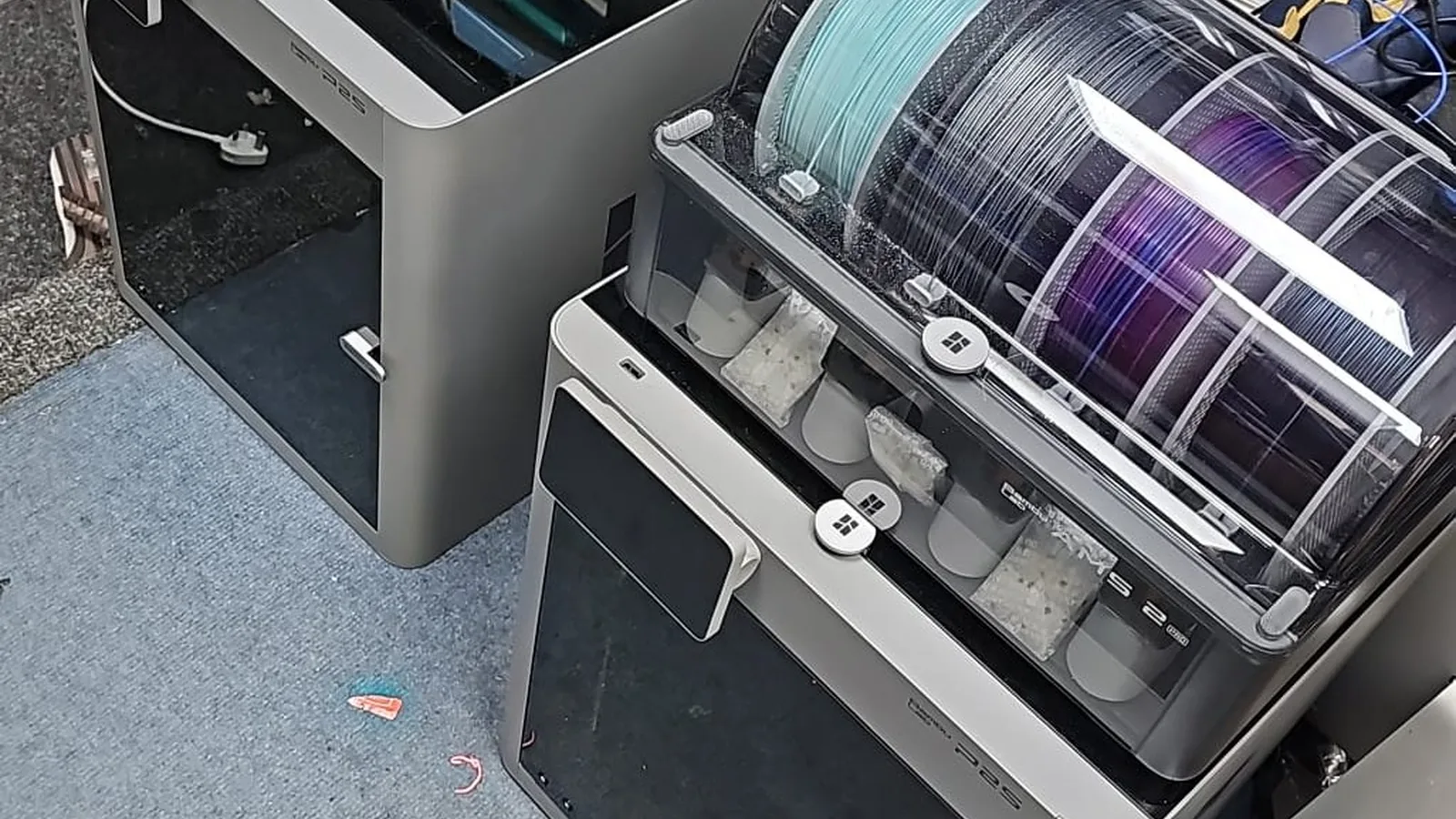
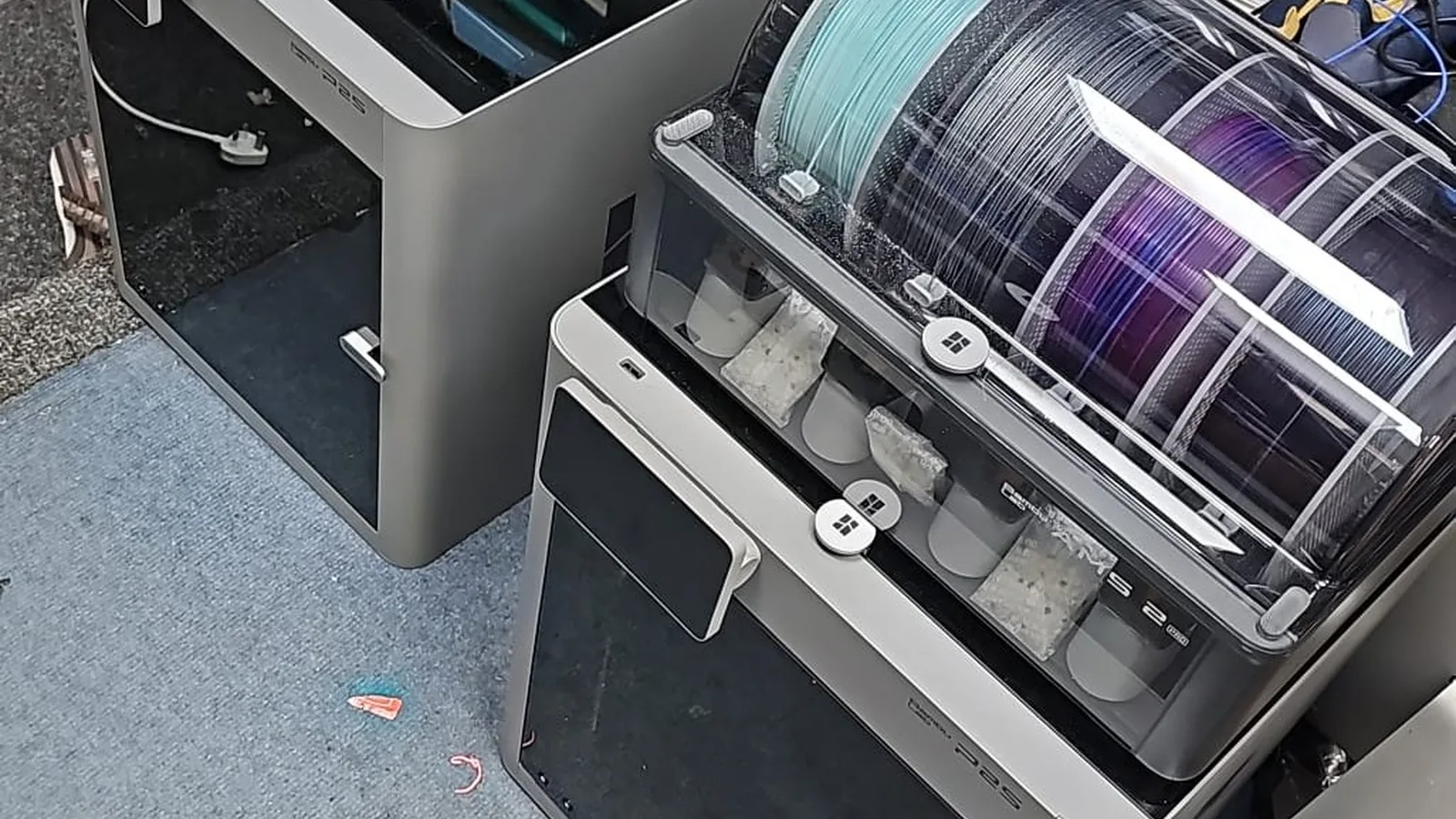
It is tempting to read the H2D as simply “the newer X1 Carbon”, but that framing leads people to overspend or over-complicate. The X1 Carbon is a single-nozzle CoreXY workhorse that has spent years being refined into one of the most dependable enclosed printers you can buy. The H2D is a wider, dual-nozzle platform with a larger build area and an optional laser and cutting module — a different class of tool aimed at people who want more than printing alone.
Deciding between them is less about which is “better” and more about which capabilities you will genuinely use, and how much maintenance you are willing to take on to keep them.
Sound like your problem?
Bring it to our Putney workshop or message us a photo and we will give you a straight answer and a quote before any work starts.
Features and use cases compared
The headline difference is the H2D’s dual-nozzle system. Two independent hot ends mean true multi-material printing without the purge waste an AMS-only setup generates when switching colours through a single nozzle. If you print a lot of soluble supports, dissimilar materials, or genuinely multi-colour parts at volume, that is a real workflow gain rather than a spec-sheet novelty.
The H2D also offers a larger build volume, which matters if you are regularly hitting the X1 Carbon’s ceiling on part size. And with the laser and cutter add-ons, it moves toward being a small workshop hub rather than only a printer.
The X1 Carbon, by contrast, does one job extremely well. For single-material functional prints — PLA, PETG, ABS, and carbon-fibre-filled filaments through its hardened nozzle — it is fast, quiet enough, and consistently accurate straight out of calibration. Most people who think they need dual nozzles actually print one material at a time and would never touch the second hot end.
Choose on the work, not the spec. If your prints are predominantly single-material and fit the X1C envelope, the extra capability of the H2D is cost and complexity you will not recover.
Maintenance considerations
This is where the two genuinely diverge, and it is the part buyers most often underestimate.
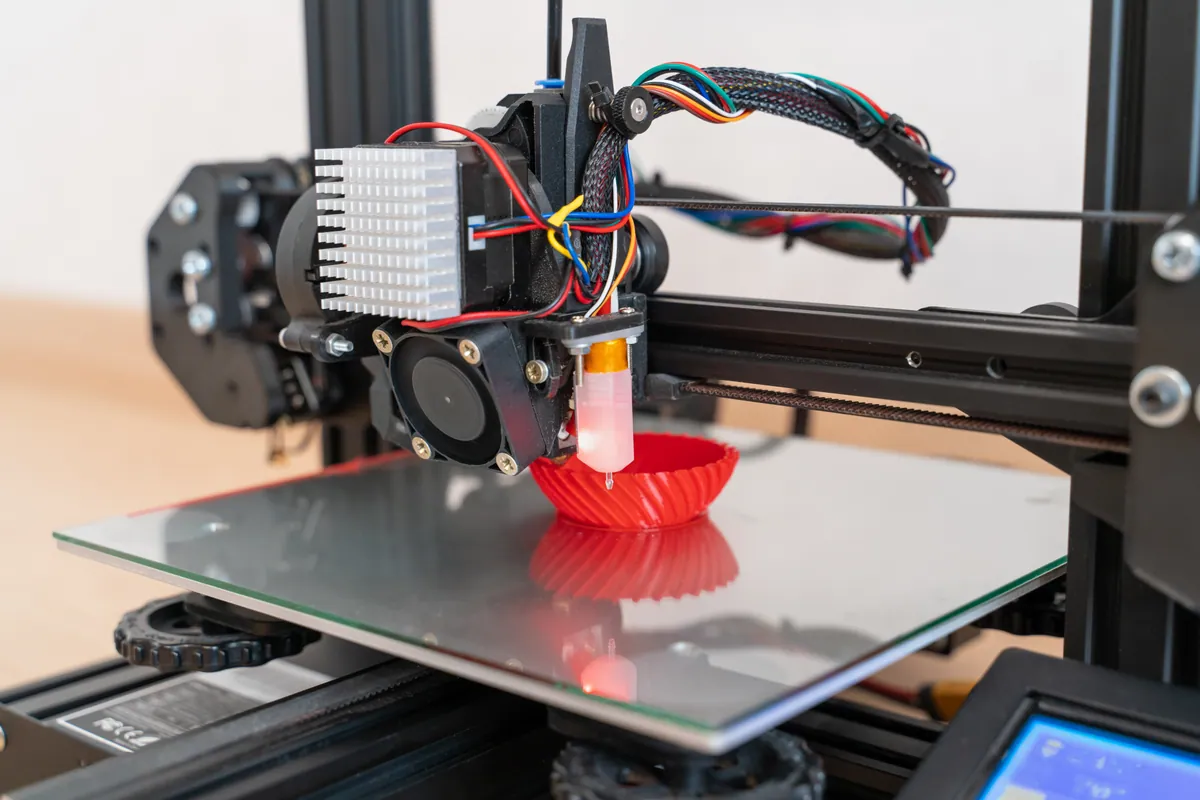
- More nozzles, more upkeep. A dual-nozzle machine has, in effect, two of everything that clogs, wears or needs cleaning. Nozzle wear, hot-end blockages and calibration routines all roughly double on the H2D. A common fault we see across all makes is a partial clog developing slowly; on a two-nozzle system there is simply more surface area for that to happen.
- Nozzle-to-nozzle alignment. Dual-nozzle printing only works if both are precisely aligned. That is an extra calibration variable the X1 Carbon never asks you to think about, and it is the most frequent source of frustration on multi-tool machines generally.
- Newer platform, thinner track record. The X1 Carbon has years of community knowledge, cheap readily available spares and well-documented fixes. A newer platform like the H2D will mature, but early on you are more reliant on the manufacturer for parts and answers.
- Shared fundamentals. Both still need the routine care any enclosed CoreXY printer does — belt tension, lubricated rails, a clean build plate and periodic PTFE and hot-end checks. Neither is maintenance-free.
If you are not confident tackling that upkeep yourself, factor in that the H2D will call on it more often. Our workshop handles 3D printer repair and servicing for both platforms, and the dual-nozzle machines reliably take longer to diagnose and put right.
Who each machine actually suits
The X1 Carbon suits you if you want a reliable, well-understood printer for functional and single-material work, value low fuss over maximum flexibility, and would rather spend your time printing than calibrating. For the majority of hobbyists, makers and small businesses, it remains the sensible default and the better value.
The H2D suits you if you have a concrete, recurring need for multi-material printing, larger parts, or the laser and cutting capabilities — and you are comfortable with a heavier maintenance routine (or happy to outsource it). Buy it for work you are actually doing now, not work you imagine you might do.
A useful test: write down the last twenty things you printed, or plan to print. If more than a handful genuinely required two materials at once or exceeded the X1C’s build volume, the H2D earns its place. If not, the X1 Carbon will serve you better and cost less to keep running.
Getting either one right from day one
Whichever you choose, most early problems trace back to setup rather than the hardware — bed levelling, flow calibration, first-layer tuning and filament handling. Getting that right at the start prevents the majority of the faults that later look like machine failures. If you would rather not learn it the hard way, we offer 3D printer setup and calibration, and can help with 3D printing design if you need parts modelled or prepared for print.
If you are weighing up which machine to buy, or an existing Bambu is not behaving as it should, we are happy to talk it through. Call the Putney workshop on 020 7610 0500, or use the contact form — no pressure, just a straight answer on whether the H2D’s extra capability is worth it for the way you actually print.