Every year around late August, we can feel it coming. The workshop gets busier, the phone rings more, and the bench fills up with machines that were “fine over the summer” and suddenly aren’t. We always assumed it was a real pattern. This year we checked it properly.
We went back through 16 years of our own repair bookings — every job, by month — to answer a simple question: when do computers actually come in? The answer is clear, consistent, and useful if you’d rather not wait.
What we measured (and what we didn’t)
A quick, honest caveat first. This is a record of when repairs were booked in, not when a fault physically happened. A hard drive might have been quietly failing for weeks before someone finally brought the machine in. So read this as “when people deal with their computer problems” — which is exactly the useful bit if you’re deciding when to book your own.
The numbers below are averaged across 15 complete years (2010–2024), each with more than a thousand jobs, so a single unusual month doesn’t skew them.
Sound like your problem?
Bring it to our Putney workshop or message us a photo and we will give you a straight answer and a quote before any work starts.
The clear finding: autumn is peak season
In a perfectly even year, each month would take about 8.3% of the jobs. Here’s what actually happens:
| Month | Share of a typical year’s jobs | Ran above average in |
|---|---|---|
| September | ~9.4% | 12 of 15 years |
| October | ~9.2% | 11 of 15 years |
| January | ~9.1% | 10 of 15 years |
| December | ~7.2% | 2 of 15 years |
The size of the swing is modest — the busiest month is only a few percent busier than average. But the consistency is the striking part: September has topped the yearly average in 12 of the last 15 years. Very few things in 16 years of data hold that steadily.
September and October are the peak. The autumn return to school, university and work is the single biggest driver. Laptops that coasted through a light summer suddenly face daily coursework, commuting and video calls — and the faults that were easy to ignore in July become urgent in September.
The January echo — and the December lull
There’s a smaller second peak in January, above average in 10 of 15 years. That’s the post-holiday wave: new devices needing setup and data transfer, machines that met a festive glass of wine, and a general “new year, let’s finally sort this out” energy.
At the other end, December is reliably our quietest month — below average in all but two of the last 15 years. Understandably, nobody wants to be without their computer over the holidays, so non-urgent jobs get put off until January.
Why the autumn peak is real
Pulling the threads together, the late-year rush comes from a few things stacking up at once:
- The back-to-school and back-to-work return. A laptop that did light duty over summer is suddenly working full days again, and marginal faults tip over into real ones.
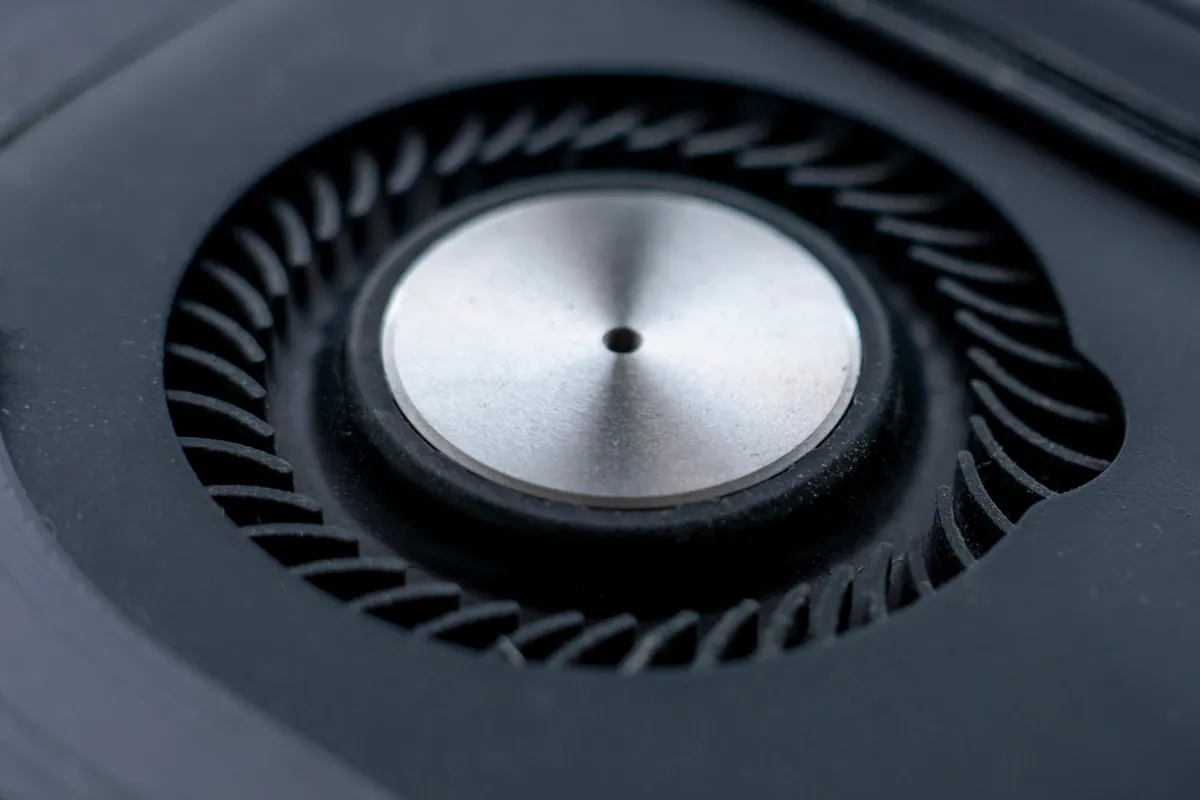
- Summer problems finally surfacing. Heat-related issues — overheating, noisy or failing fans, throttling — build up over warm months and get dealt with when the machine matters again.
- Idle machines waking up. A desktop or spare laptop that sat unused for weeks doesn’t always power back on cleanly, and dust builds up while it sits.
- Students and new terms. South West London has a big student and family population, and September is when a lot of them need a working machine now.
None of this is dramatic on its own. Together, reliably, it makes autumn our busy season.
What this means for you
The practical takeaway is about timing:
- Beat the September rush. If your laptop is showing any early warning signs — slow, hot, noisy, short battery — the quiet window to sort it is now, in late summer, not the week term starts. A quick health check in July or August is the cheapest insurance against a September breakdown.
- The quietest windows are late spring and mid-summer. If a repair isn’t urgent and you’d rather not queue, those are your months.
- Back up before autumn, not after a crash. The busiest repair season is also, inevitably, the busiest data-loss season. A working backup turns a disaster into an inconvenience — set one up before you need it.
- Getting a student ready for term? Do it in August. A pre-term once-over — battery, storage, a clean install if needed — is far less stressful than an emergency fix in freshers’ week.
Get ahead of the rush
If your computer has been giving you small warning signs, the best time to deal with it is before it becomes urgent — and before everyone else does. We diagnose before we quote and tell you honestly whether a service, a repair or nothing at all is the right call.
Call 020 7610 0500, drop in to our Putney workshop (SW15), or use the contact form. For the full picture of what we see across the year, our 16-year repair report has the numbers.
About this data: figures are drawn from PC Macgicians’ own workshop bookings, averaged across the complete years 2010–2024. They reflect when repairs were booked, not when faults began.