Start With Your Door, Not the Lock
The single most common mistake we see is buying a smart lock before checking what the front door actually takes. Most UK homes fall into one of two camps. Timber doors often have a nightlatch (a Yale-style rim latch) or a mortice lock. uPVC and composite doors — the majority of newer front doors — use a multipoint mechanism driven by a euro cylinder and a lift-the-handle-then-turn-the-key action.
That distinction matters because smart locks are designed around one fitting type. A retrofit lock that bolts onto the inside thumbturn of a euro cylinder will not work on a nightlatch, and vice versa. Before you spend anything, look at your door from the inside, note whether you lift a handle to lock it, and measure the cylinder if you have one. Getting this wrong is the number one reason a smart lock ends up back in its box.
Sound like your problem?
Bring it to our Putney workshop or message us a photo and we will give you a straight answer and a quote before any work starts.
The Main Types of Smart Lock
Retrofit thumbturn locks replace the inside knob of an existing euro cylinder. The outside of your door is untouched — your normal key still works — and a motor turns the cylinder for you. These are the least invasive option and suit renters, because the original lock can be refitted when you leave.
Full replacement cylinders and deadbolts swap the entire locking mechanism. You get keypad, fob or app entry on the outside, but fitting is more involved and you may need a locksmith for a multipoint door.
Nightlatch smart locks are built specifically for rim latches on timber doors and are common on Victorian and Edwardian properties across South West London.
For most uPVC and composite doors, a retrofit thumbturn unit paired with the door’s existing lift-handle action is the pragmatic choice. Whatever the style, look for a lock carrying a recognised British or European standard — TS007 star ratings or the Sold Secure/Secured by Design marks — so your home insurance isn’t invalidated.
How Smart Locks Connect
Connectivity is where buyers most often over- or under-spend, so it’s worth understanding the options.
- Bluetooth only — the lock talks to your phone when you’re within a few metres. Cheap and reliable, but no remote control and no way to let someone in while you’re out.
- Wi-Fi (via a bridge or built in) — lets you lock, unlock and check status from anywhere, and grant temporary access codes remotely. This is what most people actually want.
- Thread, Zigbee or Z-Wave — mesh protocols that link into a wider smart home hub for automations, often more battery-efficient than direct Wi-Fi.
- Matter — the newer cross-brand standard that lets a lock work across Apple Home, Google Home and Amazon Alexa. If future flexibility matters to you, a Matter-compatible lock is the safer long-term bet.
One practical warning: most locks use 2.4GHz Wi-Fi, not 5GHz, and a front door is often the weakest spot in the house for signal. If your router sits at the back of the property, sort your Wi-Fi coverage first — a lock that keeps dropping offline is worse than no smart lock at all.
Security Details Worth Checking
A smart lock adds convenience, but it also adds an electronic attack surface, so a few checks separate the good from the risky.
- Keypad privacy — models that let you pad a code with random digits before and after the real PIN stop smudge marks giving the game away.
- Auto-lock — the door relocks after a set time, so a forgotten latch doesn’t leave you exposed.
- A physical backup — a keyhole, a mechanical key override or an external battery contact so a flat battery never locks you out.
- Two-factor on the app account — the app controls your front door, so treat that login as seriously as your online banking.
Battery life is part of security too. Most locks run several months on AA cells or a rechargeable pack and warn you well in advance, but a lock that dies silently is a lockout waiting to happen. Check that yours gives low-battery alerts through the app.
Fitting: DIY or Get It Done Properly
A retrofit thumbturn lock on a straightforward euro cylinder is genuinely a screwdriver job for a confident DIYer. Trouble starts with misaligned multipoint mechanisms, stiff cylinders that the motor can’t turn, and doors that have dropped on their hinges — all common in older London housing stock. If the lock strains to turn, the underlying door needs adjusting first; forcing it just wears out the motor.
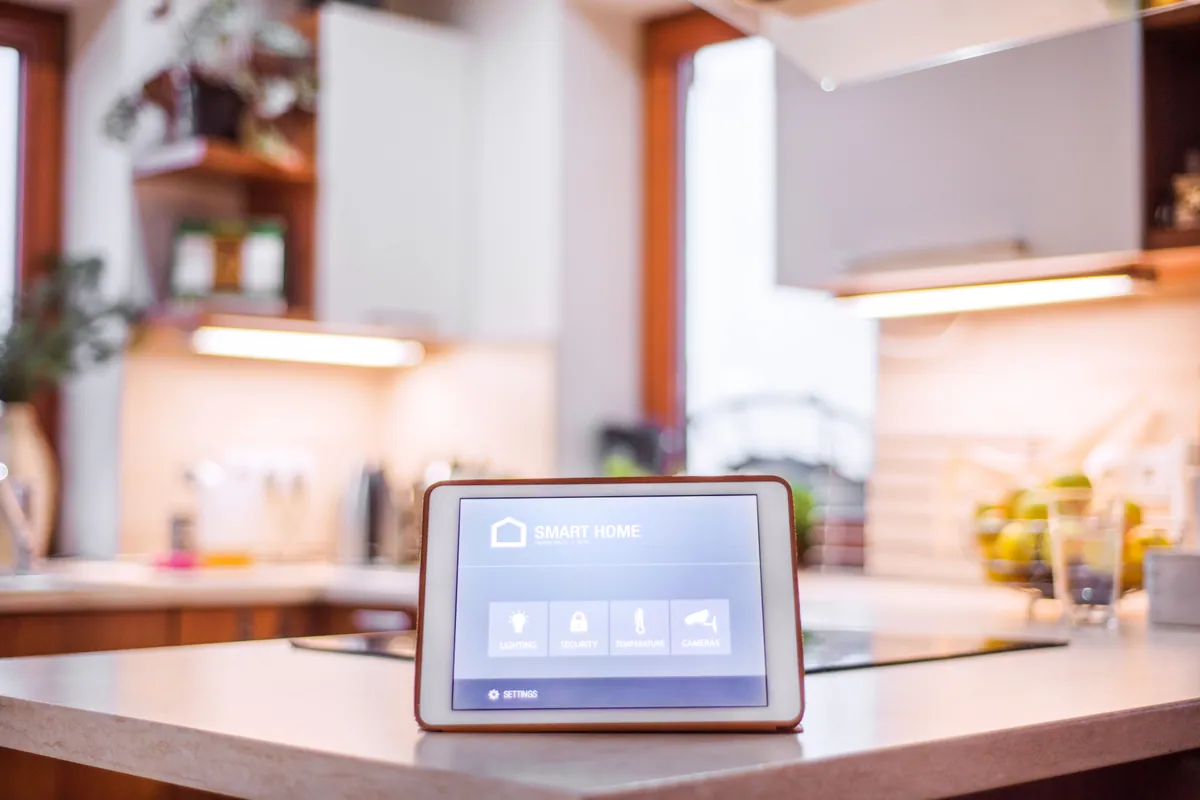
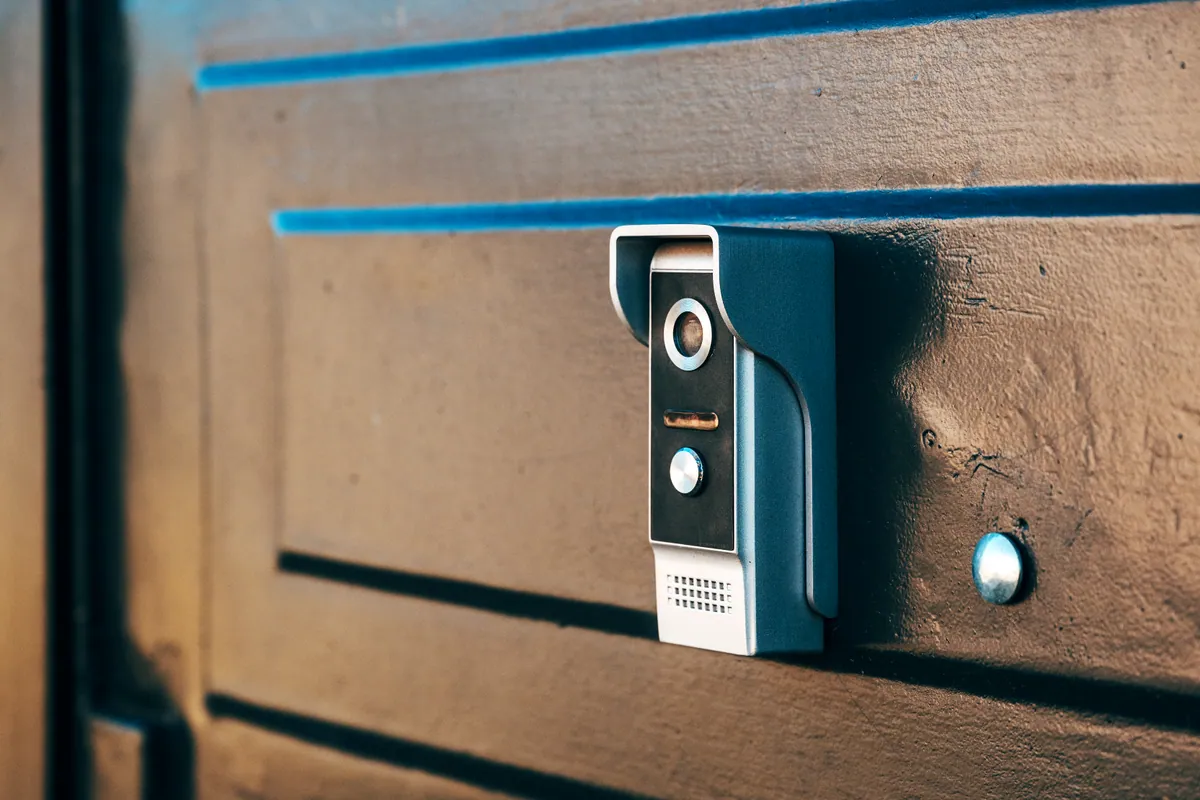
A smart lock also works best as part of a wider setup — paired with a smart doorbell so you can see who’s there before granting access, and integrated into a single app rather than a drawer of half-configured gadgets. That’s the sort of joined-up smart home installation that actually gets used every day, rather than abandoned after a fortnight.
Getting It Right First Time
If you’d rather not gamble on compatibility, we’re happy to advise on the right lock for your door and connect it into a smart home that behaves itself. Call the Putney workshop on 020 7610 0500, message us on WhatsApp, or use the contact form — we cover South West London on-site and can guide you through the choice before you buy anything.